








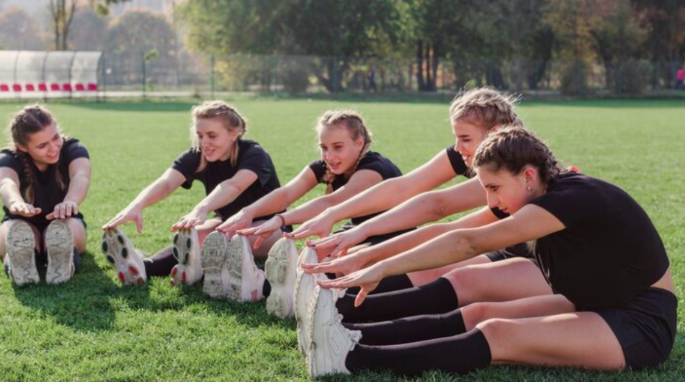
The Transformative Power and Lifelong Benefits of Participating in Youth Sports Training
Read Time:2 Minute, 43 Second
Childhood and adolescence are critical formative years during which habits are formed, character is built, and foundational life skills are developed.
While academic education provides the necessary intellectual tools for future success, physical education and structured athletics offer invaluable lessons that classrooms alone cannot teach.
Enrolling children and adolescents in a dedicated youth sports training program is one of the most effective ways to promote holistic growth, robust physical health, and strong social competence.
These structured programs provide a safe, engaging environment where young participants can discover their potential, forge lasting friendships, and learn the true meaning of dedication.
Building Strong Physical Health and Motor Skills
The most immediate and visible benefit of physical activity is the development of a healthy, resilient body. In an era dominated by sedentary pastimes and screen-based entertainment, regular exercise is more important than ever for combating childhood lethargy.
A well-designed youth sports training program encourages cardiovascular endurance, muscle strength, flexibility, and proper coordination.
By participating in diverse physical drills and sports activities, young athletes develop healthy lifestyle habits that reduce the risk of obesity, boost immune function, and lay the groundwork for lifelong physical wellness.
Fostering Mental Discipline and Emotional Resilience
Athletic participation demands focus, patience, and the ability to persevere through challenging moments. Whether a child is learning a new technique or recovering from a disappointing defeat, sports teach invaluable emotional lessons.
Consistent practice within a structured youth sports training program instills deep mental discipline, teaching participants that mastery requires time, effort, and repetition.
This resilience translates directly into the classroom and everyday life, equipping young people with the coping mechanisms needed to handle stress, setbacks, and future challenges with confidence.
Cultivating Leadership Skills and Strong Teamwork
Team sports provide a natural laboratory for learning how to collaborate effectively with peers toward a common goal. Children learn to communicate clearly, support their teammates, and respect the diverse strengths and weaknesses of others.
Furthermore, these environments offer natural opportunities for natural-born leaders to step up, encourage their peers, and guide groups through high-pressure situations.
Through shared victories and collective struggles, participants learn that success is rarely achieved alone, fostering a strong sense of community and camaraderie.
Enhancing Cognitive Function and Academic Performance
Physical exertion and cognitive development are deeply interconnected, with numerous studies demonstrating the positive impact of exercise on brain function.
Engaging in regular athletic routines increases blood flow to the brain, stimulates the release of growth factors, and improves memory retention and concentration.
The structured scheduling required by a comprehensive youth sports training program also teaches participants valuable time-management skills.
Young athletes quickly learn how to balance homework, study sessions, and practice hours, frequently resulting in improved academic focus and higher grades.
Boosting Self-Confidence and Developing Personal Accountability
Mastering new athletic skills, executing a difficult play, or simply noticing physical improvement over time does wonders for a young person’s self-esteem. Athletics provide tangible proof that hard work yields positive results, validating their efforts and building genuine self-confidence.
Additionally, sports teach personal accountability; participants learn that their actions directly impact the team, whether through attending practice on time, following coach instructions, or maintaining a positive attitude. This sense of personal responsibility matures into strong character as they grow into adulthood.


Happy
0 %

Sad
0 %

Excited
0 %

Sleepy
0 %

Angry
0 %

Surprise
0 %
 0
0
 0
0
Average Rating